Maintaining clean and hazard-free production floors is essential in the food and beverage industry, where hygiene, safety, and compliance are non-negotiable. From processing and packaging to storage and distribution, every stage of the workflow depends on a safe working environment that meets strict regulatory standards.
One of the simplest yet effective tools in achieving this is the use of high-quality absorbents—but what are absorbents? They are specialised materials designed to soak up and contain liquids quickly, helping prevent contamination, minimise downtime, and maintain essential hygiene levels across the facility.
Spillage is unfortunately a routine part of daily operations. Water, oils, juices, dairy products, syrups, or even condensation from cooling systems can compromise safety and sanitation if left unmanaged. Wet floors increase the risk of slips and falls, while accumulated residue can attract pests, encourage bacterial growth, and contaminate nearby surfaces. Absorbent products provide a fast and reliable way to tackle these challenges, ensuring issues are contained before they become costly problems. They are equally effective for chemical spillage, which requires rapid containment to prevent cross-contamination and protect both staff and products.
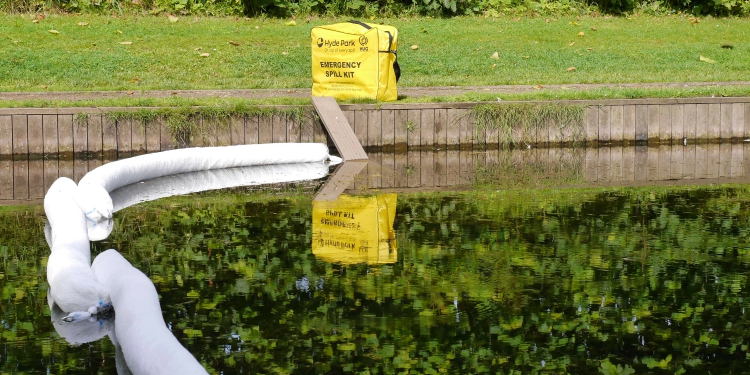
In the UK, the requirement for clean and well-maintained premises is backed by legislation such as the Food Safety Act 1990 and the Food Hygiene Regulations 2013. These laws demand that food business operators maintain premises in a condition that prevents contamination and controls risks to food safety. Floors must be kept in “good repair and condition,” be easy to clean, and must not allow the accumulation of liquids or residues that could cause hazards.
Additionally, all food businesses must operate under HACCP-based food safety management systems, which require identifying potential hazards including spills, leaks, and moisture and putting controls in place to prevent them. This makes fast, effective spill control an essential part of any compliance strategy.
Absorbents support these requirements by allowing spills to be contained and cleaned quickly, preventing contamination and reducing the risk of slip accidents. Water, oils, juices, dairy products, syrups, and cleaning chemicals are common in production areas, and even small spills can create hygiene problems or disrupt workflow. Using the right absorbent materials helps maintain consistent cleanliness and ensures compliance with UK hygiene regulations.
Absorbents also support operational efficiency. They allow staff to deal with spills immediately, without disrupting production or waiting for specialist cleaning teams. This reduces downtime, protects staff, and helps maintain a safe, high-performing working environment throughout the day.
Hyde Park Environmental offers a comprehensive range of absorbents designed specifically for high-standards industries like food and beverage. Our solutions include food-safe absorbent pads, rolls and socks, each engineered to help you control spillage, manage chemical spillages, and stay compliant with UK regulations. We also provide spill kits, training, storage systems and customised spill-control solutions to ensure every facility has the right tools and strategies in place.
With the right absorbents and expert support your production floor can stay cleaner, safer, and fully compliant every day.
Contact Hyde Park Environmental today- discover how we protect your reputation.
Maintaining clean and hazard-free production floors is essential in the food and beverage industry, where hygiene, safety, and compliance are non-negotiable. From processing and packaging to storage and distribution, every stage of the workflow depends on a safe working environment that meets strict regulatory standards. One of the simplest yet effective tools in achieving this […]
Winter delivers some of the most iconic flying scenes for the aerospace industry. However, on the ground, cold temperatures directly affect aircraft performance, flight operations, and runway safety—requiring airlines, airports, and flight crews to follow strict procedures to keep air travel safe, efficient, and on schedule. As temperatures drop, the risks associated with fuel, oil, hydraulic fluids, and de-icing chemicals increase significantly, making winter spill preparedness a critical part of overall aviation safety.
Generally, cold weather causes several operational challenges, including:
- Reduced friction on runways and taxiways, increasing stopping distances and making ground manoeuvres more hazardous.
- Slower absorption of spilled liquids, which allows contaminants to linger on the surface for longer periods.
- A higher likelihood of slips, skids, and aircraft-handling incidents, as both equipment and personnel are affected by ice, snow, and freezing temperatures.
Because of these risks, airports must maintain not only effective runway and aircraft de-icing operations but also heightened spill containment readiness. This includes the use of essential products such as:
- Oil-only absorbents for fuel and hydrocarbon leaks.
- Speciality absorbents for mixed contaminants commonly found in maintenance and de-icing zones.
- Portable spill kits for rapid response, even in remote or hard-to-reach airside areas.
- Booms and barriers to control the migration of fluids across icy or sloped surfaces.
In winter aviation operations, spills can freeze almost instantly, creating nearly invisible hazards as fluids spread unpredictably across ice and compacted snow. Melting snow and slush can then transport these contaminants into surface water or drainage systems, heightening environmental compliance requirements under the CAA and HSE. This makes proactive spill management essential for maintaining both safety and environmental stewardship at aerospace facilities.
With increased pollution threats and winter conditions that make leaks harder to detect, effective spill preparedness is as vital as aircraft de-icing. Cold weather increases the likelihood of hidden drips, cracked fittings, and fluid failures, making robust spill control, reliable containment, and fast-response equipment essential for safe, compliant aerospace operations throughout the winter season.

At Hyde Park Environmental, we help aerospace facilities stay fully operational during winter with high-performance spill control solutions, durable materials-handling systems, and weather-resistant storage options designed for demanding airside environments. Our spill control and containment products—including absorbents, drip trays, and bunding—are engineered to manage leaks from aircraft, ground-support equipment, and de-icing activities. We also provide durable storage systems that protect chemicals, fuels, and sensitive materials from temperature fluctuations, along with safety and compliance solutions that help facilities meet environmental and operational standards.
Our expertise supports safer, more efficient winter operations by protecting equipment, reducing environmental risk, and ensuring regulatory compliance in harsh weather conditions.
Contact us today to find the right solutions for your aerospace facility.
Winter delivers some of the most iconic flying scenes for the aerospace industry. However, on the ground, cold temperatures directly affect aircraft performance, flight operations, and runway safety—requiring airlines, airports, and flight crews to follow strict procedures to keep air travel safe, efficient, and on schedule. As temperatures drop, the risks associated with fuel, oil, […]
When your site handles hazardous liquids, winter isn’t just cold — it’s high-risk. One slip, one containment failure, one unnoticed leak frozen under ice can quickly escalate into a serious incident.
That’s where Hyde Park Environmental steps in with comprehensive spill control solutions, winter spill protection and cold-weather containment products designed to keep your operations safe, compliant and fully functional through the freeze.
Why cold weather increases your spill risk
When temperatures drop, several risk factors rise:
- Fluids become more viscous, slower-moving, harder to pump or drain properly.
- Surfaces freeze or ice sets in, reducing grip, making access to spill kits or drains more difficult.
- Containment systems may shrink or become brittle; seals and linings may fail.
- Events that might be minor in mild weather (a drip from a valve, a small spill) can compound into snow-melt runoff, freeze layering or hidden hazards.

How Hyde Park Environmental helps you winter-proof
- Tailored Spill Kits & Absorbents: We offer a comprehensive range of oil-only spill kits, chemical-specific absorbents, maintenance absorbents, and full spill response solutions designed for robust winter spill control. Whether your site handles oils, fuels, solvents or mixed liquids, Hyde Park supplies the right spill kit to keep your operation compliant, safe and winter-ready.
- Containment Solutions for Harsh Environments: From drain covers to bunds, we provide equipment built for the tougher conditions winter brings.
- Compliance & Best Practice Support: Our full alignment with UK environmental legislation, offering guidance that helps businesses meet HSE standards, pass audits and implement best-practice spill-control strategies. At Hyde Park we ensure winter does not compromise compliance.
Practical steps to winter-proof with Hyde Park’s help
Strengthen your winter spill control plan by first auditing all high-risk areas—outdoor storage, valve stations, loading bays, drain faces and transport routes. Upgrade your spill kits and absorbents to ensure they’re suitable for on-site fluids and remain accessible in icy conditions; Hyde Park’s oil-only and chemical kits are designed for fast winter deployment.
Install winter-ready containment—robust bunds, trays and covers that withstand snow, meltwater and temperature shifts—while keeping drains fully protected. Provide spill response training so staff understand that spills may spread differently or hide under snow and ice, making quick action critical.
Maintain readiness through frequent inspections, as cold temperatures can degrade seals, lids and equipment. Hyde Park’s absorbent pads, rolls and replacement components help ensure your spill-control systems stay effective throughout the winter season.
Winter isn’t just a season — it’s a stress-test for your spill-control strategy. With the right preparation and the right partner, winter can become a non-event for your site.
At Hyde Park Environmental, we deliver the expertise, equipment and winter-ready solutions needed to protect your people, your site and the environment when temperatures drop.
Check out our Winter Essentials Bundle — unmissable seasonal pricing available now.
Don’t wait for a spill in the snow to discover you weren’t prepared- contact us today.
When your site handles hazardous liquids, winter isn’t just cold — it’s high-risk. One slip, one containment failure, one unnoticed leak frozen under ice can quickly escalate into a serious incident. That’s where Hyde Park Environmental steps in with comprehensive spill control solutions, winter spill protection and cold-weather containment products designed to keep your operations […]
In fast-paced engineering environments, even a minor spill can escalate into a costly hazard. Whether it's an oil leak inside a facility or a chemical spill on a construction site, engineers face a daily responsibility: ensure that spill control is not just a reaction—but part of the plan.
At Hyde Park Environmental, we understand the demands placed on modern engineers to meet environmental compliance, protect people, and maintain operational efficiency. That’s why we’re spotlighting the essential spill containment gear every engineering operation should have on hand—from spill kits to barriers and beyond.
Engineering sites are diverse and dynamic—from mechanical workshops and civil infrastructure projects to electrical and chemical manufacturing facilities. Such a variety comes a wide range of potential contaminants.
A fast, efficient spill response can mean the difference between a quick clean-up and a site shutdown. Not only is there an environmental duty to respond appropriately, but UK and EU regulations (such as the Control of Pollution Regulations and COSHH) mandate businesses to have appropriate containment measures in place.

Spill Kits: Your First Line of Defence
Spill kits are the foundation of any effective spill control plan. At Hyde Park Environmental, we offer industry-specific kits designed for various types of spills—oil-only, chemical, and general-purpose absorbents.
Key contents include:
- Absorbent pads and socks
- Disposal bags
- PPE (gloves, goggles)
- Instructions for safe use
For engineering firms, having mobile spill kits stationed near high-risk areas like fuel storage, machinery maintenance zones, or chemical dosing units is essential. Regular checks and staff training are just as important to ensure they’re always ready to deploy.
Containment Barriers and Bunds: Stopping Spills at the Source
When spills do happen, physical containment barriers help prevent contaminants from spreading into drains, soil, or watercourses. Hyde Park supplies a wide range of:
- Bunds for storage or mobile refuelling
- Drain covers and mats to protect site drainage systems
- Spill booms for both indoor and outdoor containment
For engineering sites using heavy equipment or storage tanks, secondary containment systems are often required by law and are crucial for avoiding fines and environmental damage.
Beyond Gear: Training, Procedures, and Compliance
Possessing the right gear is only part of the equation. Staff training and proper spill response procedures are just as critical. At Hyde Park, we support engineering businesses with:
A well-trained workforce can act fast, minimise risk, and protect both your people and the environment.
In today’s engineering industry, sustainability and safety are non-negotiable. Investing in high-quality spill containment gear isn’t just about compliance—it’s about reputation, responsibility, and resilience. Hyde Park Environmental is here to help you build a proactive spill control strategy that fits the unique needs of your engineering operation. From selecting the right kits to installing custom containment systems, we’ve got you covered.
Want a free site audit or advice on spill containment gear? Contact our team today.
In fast-paced engineering environments, even a minor spill can escalate into a costly hazard. Whether it’s an oil leak inside a facility or a chemical spill on a construction site, engineers face a daily responsibility: ensure that spill control is not just a reaction—but part of the plan. At Hyde Park Environmental, we understand the […]
In pharmaceutical manufacturing, precision and safety go hand in hand. One small spill of a chemical or solvent can risk product contamination, worker injury, and environmental harm.
As we move into 2025, pharmaceutical facilities face stricter compliance expectations under HSE and COSHH regulations — making a well-equipped spill kit an essential part of every site’s safety strategy. The Health and Safety Executive (HSE) requires employers to assess and control risks from hazardous substances under the Control of Substances Hazardous to Health (COSHH) Regulations 2002. That includes ensuring the right spill-response measures are in place and staff are trained to use them.
Pharmaceutical environments often handle aggressive chemicals, solvents, and APIs, so your kits must match the specific risks. You should also keep documented spill-response procedures and inspection logs to demonstrate compliance during audits.
For further guidance, see HSE: Managing chemical safety.
What to include in your Pharma Spill Kit
A compliant spill kit is more than a bucket of absorbents — it’s a complete emergency system. Every kit in a pharmaceutical facility should include:
- Absorbent pads, socks and pillows designed for the substances on site (chemical, oil or universal types).
- Chemical-resistant PPE – gloves, goggles, apron and boots.
- Disposal bags and ties clearly labelled for hazardous waste.
- Spill containment tools like drain covers, drip trays or bunding.
For areas handling cytotoxic or solvent-based liquids, specialist kits such as chemical spill kits or cytotoxic response kits should be used.
Even the best kit is useless if it can’t be found or used quickly. Kits should be:
- Placed near high-risk zones (chemical stores, cleanrooms, utilities).
- Clearly labelled and visible with spill-response signage.
- Checked monthly for missing or expired components.
- Supported by regular spill response training to ensure staff act quickly and safely.
Remember to log all inspections and replenishments — these records are vital during audits by HSE, MHRA or internal QA teams.

Looking Ahead to 2026:
The next wave of pharmaceutical safety focuses on sustainability, digital tracking and audit readiness. At Hyde Park Environmental, we’re already helping clients implement these innovations — ensuring that safety, compliance, and sustainability work hand in hand.
A pharmaceutical spill kit in 2026 isn’t just about compliance; it’s about protecting people, products, and the planet. By choosing the right kits, maintaining them properly, and training your teams, you can turn emergency preparedness into everyday safety confidence.
Contact Hyde Park Environmental to learn how we can help you build a safer, compliant manufacturing site.
In pharmaceutical manufacturing, precision and safety go hand in hand. One small spill of a chemical or solvent can risk product contamination, worker injury, and environmental harm. As we move into 2025, pharmaceutical facilities face stricter compliance expectations under HSE and COSHH regulations — making a well-equipped spill kit an essential part of every site’s […]
In the push toward zero-waste kitchens, much of the attention goes to packaging, food scraps, and composting. However, one challenge is often overlooked: liquid waste and spills (oils, sauces, cleaning fluids, wash water). Even small amounts- if rinsed straight into drains- can cause blockages, pollution, or regulatory penalties. In the UK, food businesses must not allow cooking oil to spill or pour it into sewers or drains — doing so can lead to prosecution.
There are regulatory requirements for spill control and waste management that food and beverage businesses in the UK and Ireland must follow. These hygiene standards emphasise the importance of zero-waste kitchen practices, ensuring that liquid waste, spills, and food by-products are contained, treated, and disposed of responsibly to protect both public health and the environment.
- In England, the RPS (Regulatory Position Statement) for treating food waste on site requires secondary containment (bunds or other systems) for any liquid waste stored outdoors so that waste does not escape.
- From the Food Safety & Hygiene guidance, spills should be cleaned immediately and food waste should not be allowed to build up — “clean as you go” is core to hygiene practices.
- More broadly, UK business food waste totals -9.5 million tonnes annually, with large contributions from kitchens and food services.
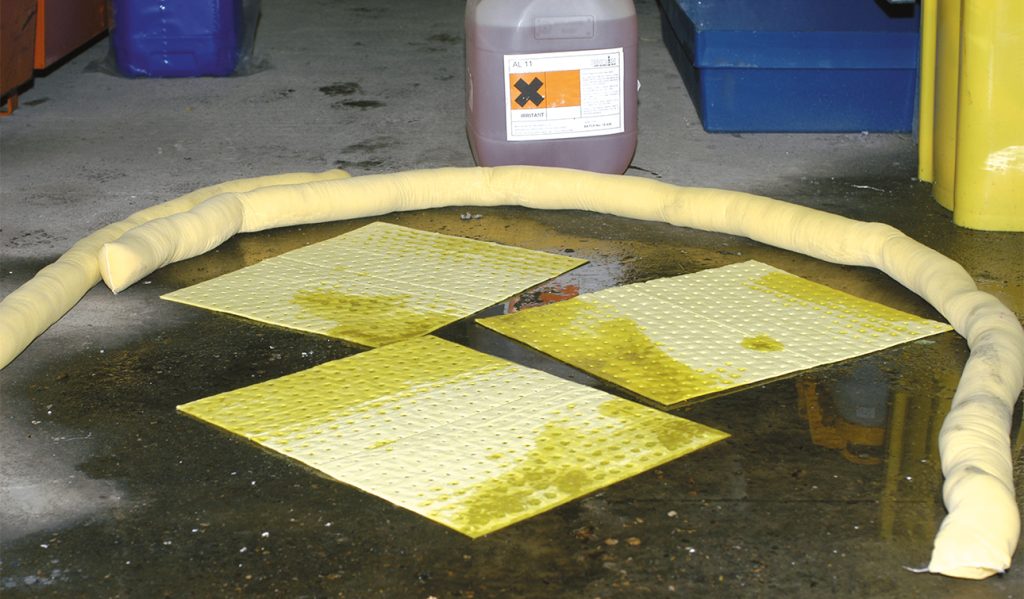
Zero-waste isn’t just about solid waste; it’s about capturing every drop. For F&B sites, that means integrating “closed-loop spill management”: intercepting liquid waste, separating streams (oil, detergents, water), reusing or recycling where possible, and disposing responsibly.
Rather than letting spill residue or wash water slip into drains, kitchens can incorporate containment and reclaim systems that feed back into waste oil recycling, effluent treatment, or safe disposal routes.
Hyde Park Environmental offers a suite of spill control solutions designed for F&B environments — bridging compliance and sustainability:
- Absorbent Mats, Rolls & Pads tailored for oil, chemical, and general liquid spills, capturing leaks before they spread.
- Bunded Storage Units & Spill Pallets that prevent leaks from containers, ensuring liquids stay contained and out of drains.
- Site Surveys & Training Services: Hyde Park helps assess risk zones in your kitchen, recommends product placement, and trains staff in best spill practices.
By integrating these products, kitchens can turn spill control into a key pillar of their zero-waste strategy — intercepting and managing liquid waste rather than washing it away.
Get in touch with Hyde Park Environmental and discover tailored spill control solutions for your F&B business today.
In the push toward zero-waste kitchens, much of the attention goes to packaging, food scraps, and composting. However, one challenge is often overlooked: liquid waste and spills (oils, sauces, cleaning fluids, wash water). Even small amounts- if rinsed straight into drains- can cause blockages, pollution, or regulatory penalties. In the UK, food businesses must not […]
With increasing pressure to meet environmental standards and reduce emissions, UK aerospace facilities are under greater scrutiny than ever before. From manufacturing to maintenance, every process must now demonstrate a commitment to sustainability — without compromising performance, safety, or innovation. To meet these challenges, it’s crucial to integrate eco-friendly solutions that minimise waste, prevent pollution, and support compliance with strict UK and international regulations.
Here are various essential environmental products that support compliance and sustainability across the industry.
HUG absorbents, pads, and spill kits are essential for safely containing and cleaning up aviation fuels, oils, and hydraulic fluids — a key expectation under both the Control of Substances Hazardous to Health (COSHH) Regulations 2002 and the Environmental Permitting (England and Wales) Regulations 2016. These laws require that hazardous substances are properly controlled and that any accidental releases are managed to prevent environmental contamination.
Bunded storage units, containment trays, and leak control systems are vital to compliance. The Environmental Protection Act 1990 and the Air Navigation (Environmental Standards) Order 2002 both reinforce the need for facilities to minimise emissions and prevent pollutant discharge. Bunded containment ensures that any leaks are captured before they reach the environment, safeguarding both airfield operations and surrounding ecosystems.
To protect employees working with chemicals, COSHH-compliant hazardous storage cabinets and emergency decontamination showers are indispensable. The Health and Safety at Work etc. Act 1974 and COSHH Regulations mandate that personnel handling hazardous materials must have immediate access to protective and decontamination measures, making these products a regulatory and ethical necessity.
Finally, environmental monitoring and waste management systems support aerospace organisations in meeting requirements from schemes such as CORSIA (Carbon Offsetting and Reduction Scheme for International Aviation) and the Civil Aviation (Environmental Protection) (Amendment) Regulations 2024. These frameworks demand measurable reductions in emissions, responsible handling of waste, and accurate reporting of environmental performance.

As the UK aerospace sector faces growing pressure to reduce emissions and demonstrate sustainable practices, the demand for trusted, compliant, and eco-friendly solutions has never been greater. Hyde Park Environmental is at the forefront of this shift, supporting aerospace organisations with reliable products, expert guidance, and proven environmental management strategies. Facilities can therefore meet regulatory expectations, protect their workforce, and drive long-term environmental performance without compromising innovation or efficiency.
Hyde Park Environmental provides industry-leading solutions that help aerospace facilities achieve full regulatory compliance while maintaining operational excellence. Our extensive range includes spill control systems, chemical storage units, waste management solutions, and site safety equipment — each designed to reduce environmental impact, enhance sustainability, and ensure alignment with UK, EU, and international environmental regulations.
Contact us today and discover how you can support your Aerospace business.
With increasing pressure to meet environmental standards and reduce emissions, UK aerospace facilities are under greater scrutiny than ever before. From manufacturing to maintenance, every process must now demonstrate a commitment to sustainability — without compromising performance, safety, or innovation. To meet these challenges, it’s crucial to integrate eco-friendly solutions that minimise waste, prevent pollution, […]
When it comes to health, safety, and environmental compliance, non-compliance is one of the costliest mistakes a business can make. At first glance, prevention measures — such as spill kits, secondary containment, or staff training — can seem like unnecessary overheads. In reality, prevention is always more affordable, sustainable, and responsible than dealing with the aftermath of a spill, leak, or regulatory breach.
In the UK, the legal framework is clear: employers and operators carry a duty to protect their people, their premises, and the wider environment. Non-compliance is not just a financial risk — it’s a legal and reputational one too.
Relevant framework policies include-
- Health and Safety at Work etc. Act 1974: Employers must ensure, so far as reasonably practicable, the health, safety and welfare of their employees. This includes dealing with hazardous materials, ensuring safe systems and preventing spills or leaks.
- Environmental Protection Act 1990 (and amendments): Key legislation addressing pollution control, waste management, and protection of the environment from harmful substances.
- Environmental Liability / Environment Act 2021: Strengthened the duty to prevent environmental damage, restore it where possible, and make polluters pay. The Environment Act 2021 also introduced binding targets and stronger oversight from bodies such as the Environment Agency.
Beyond the Framework-
Non-compliance can have devastating affects. The financial penalties alone can be severe, the Environment Agency pursue criminal prosecutions that may result in unlimited fines and, in the most serious cases, imprisonment. Beyond fines, businesses often face enormous remediation and clean-up costs after a spill, leak, or other environmental damage. These include waste disposal, land and water restoration, and other corrective measures. These expenses typically far exceed the investment required for preventative solutions such as bunding, secondary containment, or proactive spill response planning.
Operational disruption is another hidden cost. Investigations, enforced shutdowns, delayed permits, or mandatory upgrades to equipment and processes can halt production and reduce profitability. Reputational damage can be even harder to repair, as publicised compliance breaches trust with customers, investors, partners, and local communities, often resulting in lost contracts, higher insurance premiums, and barriers to securing future projects.
These risks highlight a critical truth in compliance: prevention is not optional but essential investments. The cost of non-compliance is far greater than the relatively small outlay required to implement strong environmental and safety management systems. It is a safer but a proven strategy to protect profitability, business continuity, and long-term growth.

We help you comply-
At Hyde Park Environmental, we make compliance simple and cost-effective. We support businesses across the UK and Ireland with tailored solutions to reduce risk, protect the environment, and safeguard people.
Our offering includes:
- Spill kits & absorbents for rapid response
- Bunded storage for safe and secure containment
- Spill Training & awareness programmes to strengthen your team’s response
- Site audits & compliance checks to identify risks and ensure legal obligations are met
By partnering with us, you gain peace of mind that your workplace is compliant, your people are safe, and your reputation is protected.
Ready to stay compliant?
Prevention doesn’t just save money — it protects your business and the environment. Contact Hyde Park Environmental today and learn more about our spill control compliance solutions.
When it comes to health, safety, and environmental compliance, non-compliance is one of the costliest mistakes a business can make. At first glance, prevention measures — such as spill kits, secondary containment, or staff training — can seem like unnecessary overheads. In reality, prevention is always more affordable, sustainable, and responsible than dealing with the […]
Spill containment is a critical consideration in every engineering project, from infrastructure and manufacturing facilities to energy and construction sites. Engineering operations often involve the use of fuels, oils, and hazardous chemicals, all of which present risks if not stored and managed responsibly. Without effective spill control, a single incident can result in environmental damage, safety hazards, costly clean-ups, and regulatory breaches.
The UK’s Health and Safety Executive (HSE) stress the need for proactive spill prevention measures in engineering and construction projects that follow the requirements set out by Environmental Agency hence which protects pollution.
The enforcement of these requirements is due to several interlinked factors and for engineering projects, the risks extend beyond compliance. A spill can cause:
- Project downtime due to site remediation.
- Reputational damage with clients, regulators, and the public.
- Health and safety risks for workers exposed to hazardous materials.
- Environmental damage due to harmful substances.
Effective spill containment begins long before the first bolt is tightened or the first pipe is laid. During the design and planning phases of engineering projects, it is essential to assess potential spill risks and integrate containment measures directly into blueprints. This proactive approach allows engineers to strategically position bunded storage areas, drainage interceptors, and spill response stations where they are most needed, rather than retrofitting solutions after construction. This ensures safer worksites and stronger environmental credentials.

How Hyde Park Environmental Supports the Engineering Industry
At Hyde Park Environmental, we provide the engineering industry across the UK and Ireland with spill containment solutions that are practical, cost-effective, and fully compliant with HSE and Environment Agency requirements.
Our extensive product range includes:
- Bunded storage tanks and IBC spill pallets for secure chemical and fuel storage.
- Absorbents and spill kits for rapid response to on-site incidents.
- Drainage protection systems to prevent pollutants entering water sources.
- Custom-engineered containment solutions for complex engineering projects.
Alongside our products, we also deliver:
- Expert advice and training for engineering teams.
- Site-specific containment strategies tailored to project needs.
- Compliance support to ensure alignment with UK spill containment regulations.
Protect Your Engineering Project with Hyde Park Environmental
Partnering with Hyde Park Environmental means more than just purchasing spill kits — it means ensuring your engineering operations are safe, compliant, and future-proof.
👉 Explore our full range of spill containment and environmental protection solutions, or contact our team today to find out how we can help safeguard your project from costly spills and regulatory risks.
Spill containment is a critical consideration in every engineering project, from infrastructure and manufacturing facilities to energy and construction sites. Engineering operations often involve the use of fuels, oils, and hazardous chemicals, all of which present risks if not stored and managed responsibly. Without effective spill control, a single incident can result in environmental damage, […]
Businesses today face the constant challenge of balancing productivity, safety, and compliance. At Hyde Park Environmental we provide that balance. We know that every business inside the UK and Ireland have unique operational pressures. That's why we tailored a wide range of solutions for your specific requirements.
Every year thousands of workplace accidents happen due to unsafe manual handling. The single biggest contributor to industrial injuries. In 2023/24 the Health and Safety Executive (HSE) reported that 543,000 employees suffered from work-related musculoskeletal disorders. These injuries harm people while also costing the UK businesses millions of pounds. Lost working days, compensation claims, and reduced productivity contribute to these costly fees.
So, how can companies reduce this risk while maintaining efficiency? The answer lies in effective materials handling solutions.
What Are Materials Handling Solutions?
Materials handling solutions encompass the equipment, systems, and processes. These solutions move, store, control, and protect goods and materials. This may be through manufacturing, warehousing, distribution, consumption, and disposal. This can include items such as: racking, shelving, trolleys, trucks & trolleys. These safe, robust, organised storage units are key, required products for your business. Workers reduce physical hazards, strain and pain whilst improving workflow and prevent accidents via clutter.
Various shelving systems e.g., mobile plastic shelving and kanban shelving: Poor storage systems can lead to damaged stock, time wasted and even injuries. Efficient shelving maximises space, streamlines access, and keeps work areas compliant with regulations.
Bulk Containers: Bulk handling of materials requires strong, secure, and space-saving storage. Additionally, stackable designs optimise floor space while reducing manual lifting, they support tons when stacked and provide your company with cost- effective solutions to withstand heavy industrial use.
Bunded storage solutions: COSHH regulations, require hazardous liquids and chemicals to be protected in storage. This is required by UK legislation. Bunded IBC units, lockable cabinets, and custom containment systems ensure businesses stay compliant. In addition, these units prevent environmental harm, costly fines and reputational damage.

Why Hyde Park's Solutions Work for You:
By integrating our specialist materials handling systems, businesses can:
- Reduce injury rates – Less lifting means fewer MSDs.
- Boost uptime – Fewer absences keep operations running smoothly.
- Stay compliant – Products like bunded storage ensure you meet COSHH and HSE regulations.
- Save money long-term – Prevention is always the most cost-effective solution.
👉 Shop on our Materials Handling Solutions site for full product catalogues and specifications
Workplace safety and compliance do not come from policies alone. They require the right tools and equipment to make best practice possible. For any company handling chemicals, oils, or hazardous materials, materials handling solutions aren’t optional—they’re essential.
At Hyde Park Environmental we provide expertise in spill control, containment, and materials handling. This means we don’t only supply products—we deliver complete safety systems. Consequently, we prevent injuries and reduce risks while ensuring compliance and protecting the environment. our solutions form the backbone of a safe, responsible, and productive workplace. Contact us today for more information, products and any queries.
Businesses today face the constant challenge of balancing productivity, safety, and compliance. At Hyde Park Environmental we provide that balance. We know that every business inside the UK and Ireland have unique operational pressures. That’s why we tailored a wide range of solutions for your specific requirements. Every year thousands of workplace accidents happen due […]
A spill kit, absorbent pads and a spill plan is not just what you need for avoidance. Knowledge, key products for your industry, a regularly updated spill response plan and prior training are all necessary for avoiding spills.
At Hyde Park Environmental, we’ve worked across multiple industries—pharmaceutical, aerospace, logistics, food and beverage, and engineering—and witnessed common mistakes that compromise spill response efforts. These missteps not only endanger the environment but also lead to compliance fines, operational downtime, and long-term reputational damage.
Spills can happen anywhere, and they can escalate rapidly. The line between a controlled situation and a costly environmental disaster often depends on how ready your business really is; ensuring you have a spill response (UK regulated) plan, hazardous and spill-proof storage, and efficient management systems is a mandatory compliance. That is why it is essential to know the top 3 mistakes made during spill response. Our tops tips can help you comply with government legislation and have a structured plan to avoid a spill occurring.

- Underestimating Spill Risks in “Low-Exposure” Areas
High risk zones are not the only spill hazards inside your company, the reality is spills often emerge in overlooked places, such as, maintenance rooms, loading docks or even basements! Our tip to ensure you don’t overlook these locations inside your company is to conduct a comprehensive spill risk survey and further internal (scheduled practice) audit. Prior identification of high-risk zones allows you to apply the right preventative solutions in the areas that need various precautionary measures.
- Not having a Designated Spill Response Team
Many companies do not have a dedicated spill response and control team; these team members need to be trained and equipped with the knowledge to tackle any spills. Without such a team in place, the organisation is at greater risk of ineffective spill handling, which can lead to safety hazards, environmental damage, and regulatory non-compliance. Ensuring staff, especially the designated response team, are regularly trained and kept up to date is essential. Luckily, at Hyde Park we can provide the training. Our three-tier spill response training is ideal for meeting workplace safety due diligence requirements in the UK.
- Using Inadequate Spill Response Equipment and Resources
Having a lack of specific designed kits is a shortfall and major risk in your company. Using inadequate products leads to prolonged exposure to hazardous materials, increased environmental damage, and higher health and safety risks for employees. It is necessary that you tailor your spill response products and training in co-ordinance with your industry, and great news! At Hyde Park Environmental we provide high quality, tailored solutions; especially with the recent launch of our four specialisms (Pharmaceutical, Aerospace, Food & Beverage, Engineering). Partner with us as your spill control experts to ensure you have kits, absorbents, containment and many more products that align with regulatory standards.
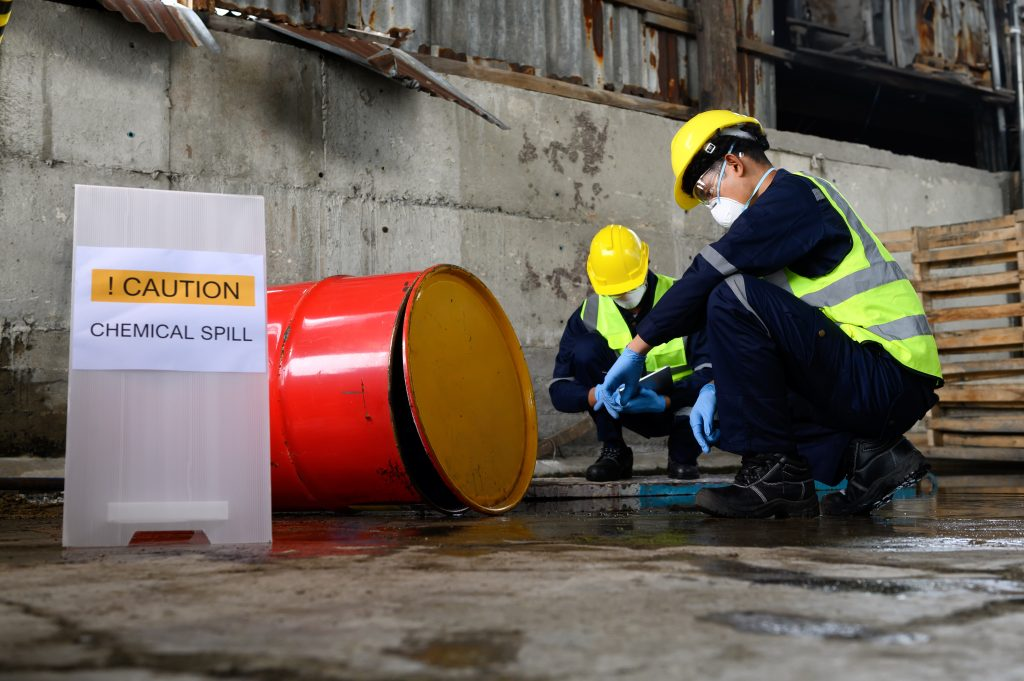
Avoiding these common mistakes isn’t about purchasing more products—it’s about developing a complete site-specific spill management strategy to evaluate any gaps in the workplace.
Whether you operate in a high-intensity manufacturing plant, manage logistics operations, handle sensitive chemicals, or oversee facilities management, the core principles remain the same: Be proactive, be prepared, and partner with experts who understand your industry's unique challenges. Trust in Hyde Park Environmental for your partner in spill control and containment.
Click here to learn more about our range of products catered specifically for your industry.

A spill kit, absorbent pads and a spill plan is not just what you need for avoidance. Knowledge, key products for your industry, a regularly updated spill response plan and prior training are all necessary for avoiding spills. At Hyde Park Environmental, we’ve worked across multiple industries—pharmaceutical, aerospace, logistics, food and beverage, and engineering—and witnessed […]
Ensuring Spill Safety inside your company isn’t just good practice; it is a legal requirement that you must follow pharmaceutical spill control legislation. In any environment; a cleanroom, production line, or chemical storage area, inadequate spill preparation can lead to contamination, downtime, and audit challenges. The MHRA (Medicines and Healthcare products Regulatory Agency) require every pharmaceutical company to have effective spill control measures, a prevention plan in place and follow their guidelines accordingly.

The MHRA assess each company to mitigate risks and ensure they are following guidelines. The companies must follow GMP regulations regarding spill response and further comply to spill control practices. These effective, prevention methods are in place to clean, avoid contamination and maintain safety. In addition to these compliance procedures, there are Quality Management System’s (QMS), such as the ISO 9001, that the MHRA will check. They ensure the systems are up to standard for processes, risk assessment and corrective actions.
Audits are also an essential method used to prevent spills and hazardous incidents; they implement, oversee and observe your company. Premises and facilities are also analysed; they must be maintained, clean and designed in a way that complies will hazard response plans. Throughout all these checks, you must be able to demonstrate compliance to their regulatory standards through documentation and practices. This also includes any changes that are made. From processes to materials used, this must all be documented and approved prior to the implementation. Contact Hyde Park Environmental today to book a site survey.

HydePark Environmental can not only provide you with the tools, equipment and knowledge necessary to ensure safety in your company but we also provide the training, which is another compliance guideline for the MHRA. Your staff must be regularly trained on safety procedures, GMP and spill response tools and protocols. To learn more about our Spill Response Training, enquire on our website or call us on +44(0)28 9446 746

.
In conclusion, Planning, Preparation, and Prevention—the 3 P’s—are essential pillars of pharmaceutical compliance. Understanding what’s required and how to implement MHRA-approved practices will help ensure your company stays aligned with UK regulatory standards and operates at the highest level of safety and efficiency.
Ready to take your site’s compliance to the next level? Get in touch with HydePark Environmental today to discover our full range of innovative, sustainable spill control solutions designed specifically for laboratory and cleanroom environments.
Ensuring Spill Safety inside your company isn’t just good practice; it is a legal requirement that you must follow pharmaceutical spill control legislation. In any environment; a cleanroom, production line, or chemical storage area, inadequate spill preparation can lead to contamination, downtime, and audit challenges. The MHRA (Medicines and Healthcare products Regulatory Agency) require every […]